



Unveiling Brilliance: The Science and Surge of Lab-Grown Diamonds
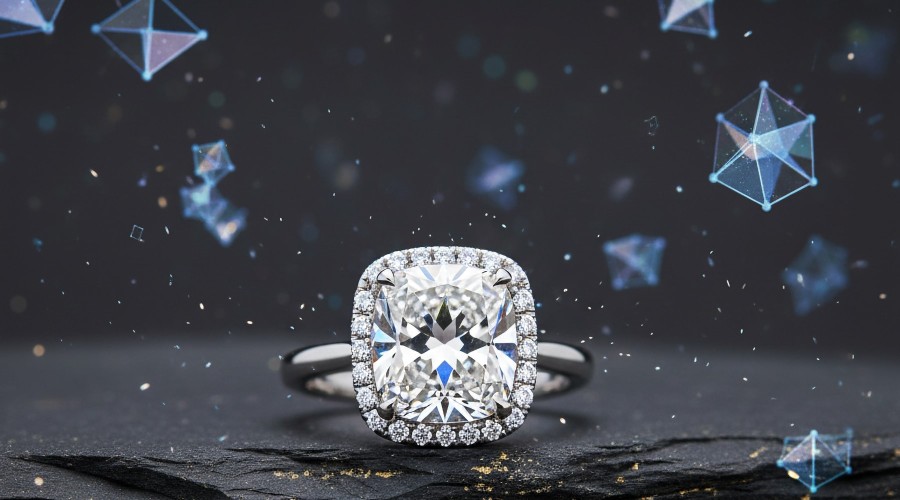
At Christies, we're passionate about bringing you jewellery that aligns with both your dreams and your values. The conversation around diamonds is changing, and at the heart of this evolution is the magnificent, modern marvel: the Lab-Grown Diamond.
These gems are not 'simulated'—they are real diamonds, sharing the identical chemical, physical, and optical properties of their mined counterparts. But how are they created, and why is their popularity soaring across New Zealand and the world?
Born in a Lab, Identical to Nature
The magic of a lab-grown diamond lies in advanced technology that replicates the Earth's billion-year-old formation process in a controlled environment. There are two primary methods used to grow these beauties:
1. High-Pressure/High-Temperature (HPHT)
This technique is a mini-replica of the Earth's mantle:
• The Setup: A tiny sliver of an existing diamond, known as a seed crystal, is placed in a growth cell alongside a pure carbon source (like graphite) and a metal solvent.
• The Conditions: The cell is subjected to immense pressure—about 5.5 GPa (gigapascals), equivalent to an elephant standing on your thumb—and extreme heat, often over 1,500°C.
• The Growth: The metal solvent melts the carbon source, allowing the pure carbon atoms to dissolve and then crystallise onto the diamond seed, layer by layer, over a few weeks. The result is a stunning, rough diamond crystal.
2. Chemical Vapour Deposition (CVD)
This is a more modern, "cleaner" approach:
• The Setup: A diamond seed is placed inside a vacuum chamber.
• The Conditions: The chamber is filled with carbon-rich gases (like methane and hydrogen) and heated to temperatures around 800°C to 1,200°C.
• The Growth: Microwave beams are used to ionise the gas into a glowing cloud of plasma. This breaks down the gas molecules, allowing the pure carbon atoms to rain down and deposit onto the diamond seed. The diamond slowly grows, atom by atom, over several weeks.
Both HPHT and CVD produce chemically and visually identical diamonds to those mined from the earth. The key difference is the point of origin—one is geological, the other is technological.
The Rise of Lab-Grown Diamonds: What's Driving the Demand?
The surge in popularity for lab-grown diamonds in rings, pendants, and earrings is driven by three compelling factors that resonate deeply with today's conscious consumer:
Ethical & Sustainable Appeal
For many buyers, especially younger generations, the origin of their diamond is a paramount concern. Lab-grown diamonds offer a transparent and clear-cut ethical choice. They are grown in a managed setting, eliminating the environmental and ethical concerns sometimes associated with traditional diamond mining. This perception of a more responsible and traceable origin makes them a highly attractive option for marking significant life moments.
Exceptional Value & Size
Without the high costs associated with deep-earth mining and complex supply chains, lab-grown diamonds offer significantly better value. This allows you to maximise your budget—meaning you can often afford a larger carat weight or a stone with higher clarity and colour for the same investment as a smaller, mined diamond. Getting 'more bling for your buck' without compromising on quality or beauty is a huge incentive.
Guaranteed Quality & Identical Beauty
The process is controlled and precise, which often results in diamonds of superior quality. Crucially, lab-grown diamonds are not simulants like cubic zirconia or moissanite. They are certified by the same reputable grading labs (like IGI or GIA) using the exact same '4 C' standards—Carat, Cut, Colour, and Clarity—because they are diamonds. You get the same spectacular fire, brilliance, and scintillation that has made the diamond the ultimate symbol of love.
At Christies, we offer beautiful pieces featuring lab-grown diamonds, providing you with a stunning, high-quality, and ethically-conscious choice. We believe in providing options that perfectly align with your personal story and budget.
Ready to explore the stunning world of lab-grown diamond jewellery?